B2C vs D2C: The Question Isn’t Which Model Is Better, It’s What You’re Willing to Give Up
Last updated: September 26, 2026
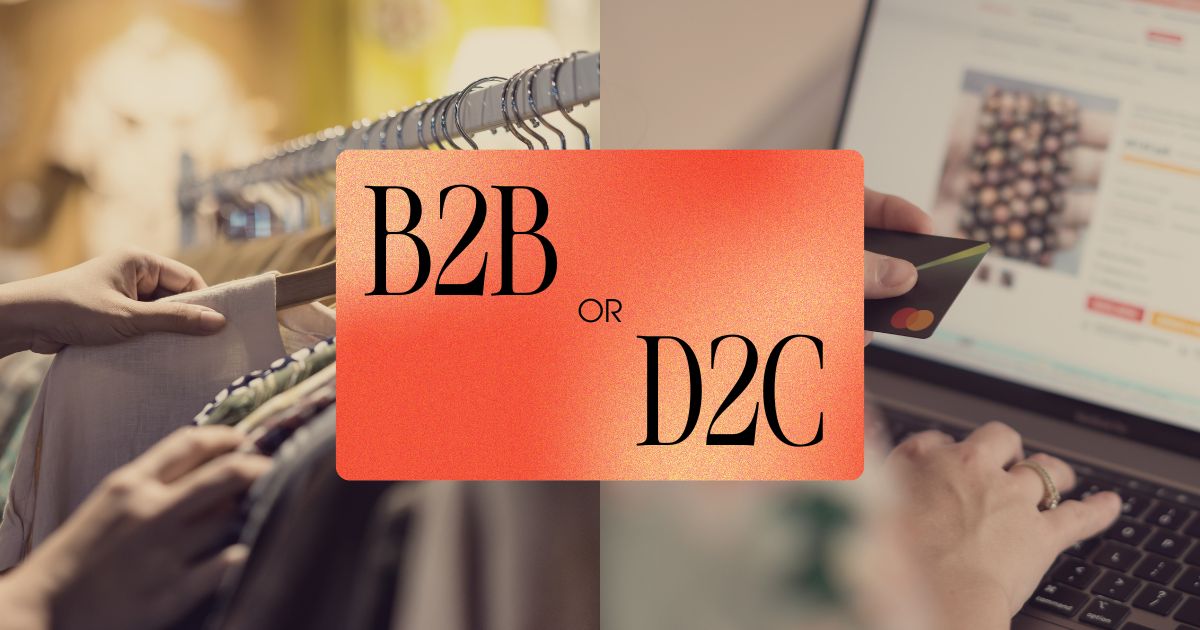
Every few years, a piece of marketing vocabulary gets treated like a verdict rather than a tool. Right now, that word is D2C. Direct-to-consumer has been positioned as the evolved, brand-owning, data-rich alternative to old-fashioned B2C distribution — as if any company still selling through retailers is simply behind the curve.
I’d push back on that framing. B2C and D2C aren’t a hierarchy with one obviously superior option. They’re two different answers to a single strategic question: how much control are you willing to trade for how much reach, and how much reach are you willing to trade for how much control? Once you frame it that way, the decision stops being ideological and starts being practical.
Two Different Bets
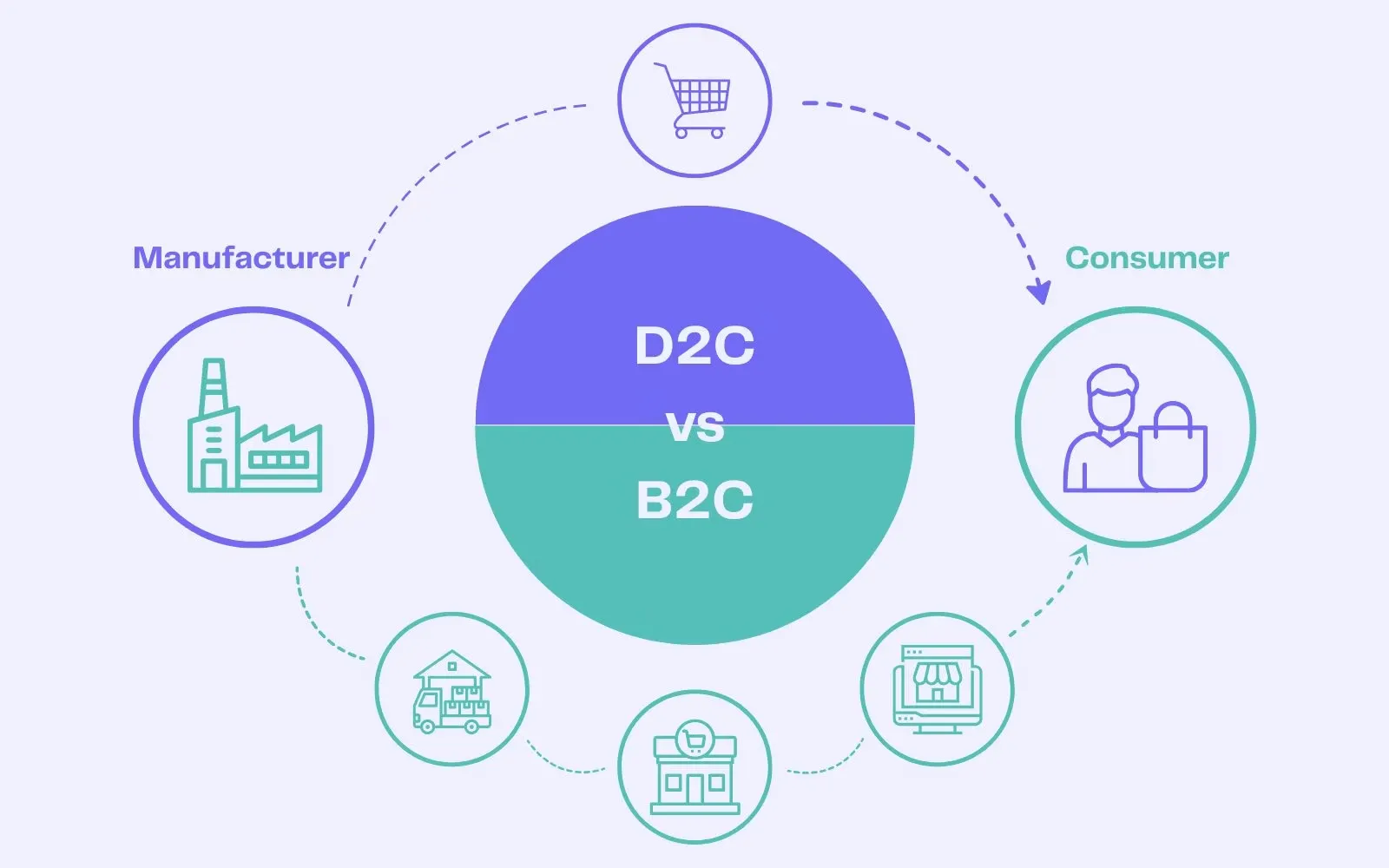
B2C, in its classic form, is a bet on distribution. You build a product, and you let someone else’s shelf space, someone else’s marketplace algorithm, or someone else’s storefront do the work of reaching the customer. In exchange, you give up the final say over pricing, presentation, and often the relationship itself. The retailer knows the customer better than you do, because the retailer is the one actually completing the transaction.
D2C is a bet on ownership. You build the relationship, the platform, and the data pipeline yourself, and you keep every bit of margin and insight that would otherwise have gone to an intermediary. But you also inherit every cost that intermediary used to absorb warehousing, fulfilment, customer service, and, critically, the cost of getting anyone to notice you exist in the first place.
It’s worth being clear that D2C is not synonymous with e-commerce, even though the two get conflated constantly. A brand’s own physical store or showroom network is just as much a D2C channel as its website. The moment a manufacturer sells through a store it owns and staffs itself, rather than through a third-party dealer or distributor, it has cut out the middleman just as completely as a direct online checkout does. The transaction, the pricing, the in-store experience, and the customer relationship all sit with the brand, not with an intermediary. This matters a great deal in categories like building materials, furniture, and fashion, where a physical showroom often does more to build trust and close a sale than any digital storefront could — and where “going D2C” has far more to do with owning your retail footprint than with launching a website.
Neither bet is inherently smarter. They’re suited to different starting conditions.
Where B2C Still Wins
There’s a reason most of the world’s largest consumer brands still rely heavily on B2C distribution, even in categories where D2C has made the most noise. Retail and marketplace infrastructure solves a problem that no amount of clever brand-building can shortcut: physical and digital shelf space at scale. A retailer’s logistics network, existing customer trust, and payment infrastructure let a brand reach millions of buyers without having to build any of that itself.
This matters enormously in markets where digital payment adoption, courier reliability, or e-commerce trust are still maturing — which describes a great deal of South Asia’s retail landscape. In categories like FMCG and building materials, where I’ve spent most of my career, the retailer relationship isn’t a legacy inconvenience to be disrupted. It’s often still the only credible route to volume. A shopper in a sub-urban trusts the local retailer’s shelf far more than they trust an unfamiliar checkout page.
Where D2C Actually Pays Off
D2C earns its reputation where the thing being sold benefits from a story, a relationship, or a level of customisation that a shelf simply cannot deliver. Subscription products, categories built on ingredient or sourcing transparency, and brands whose entire value proposition is a point of view, these thrive when the brand owns the full customer journey, because the story is the product.
The real prize in D2C isn’t the margin, though that matters. It’s the data. Owning the transaction means owning the signal; what people actually buy, when they come back, what they abandon in the cart, which message made them convert. That signal compounds. It makes every subsequent campaign sharper. A brand that has been selling D2C for three years knows things about its customers that a brand selling purely through retail may never learn, no matter how much it spends on research.
The honest cost, rarely discussed enough, is customer acquisition. Retailers already have foot traffic and search intent walking through the door. A D2C brand has to manufacture that traffic itself, whether that means paid campaigns driving people to a website, or capital and rent driving footfall to a showroom; and that cost only rises as digital channels get more competitive and prime retail locations get harder to secure. D2C without a plan for acquisition economics isn’t a growth strategy, whether the storefront is a URL or an address, it’s a slow leak in the marketing budget.
The Hybrid Isn’t a Compromise, It’s the Mature Version
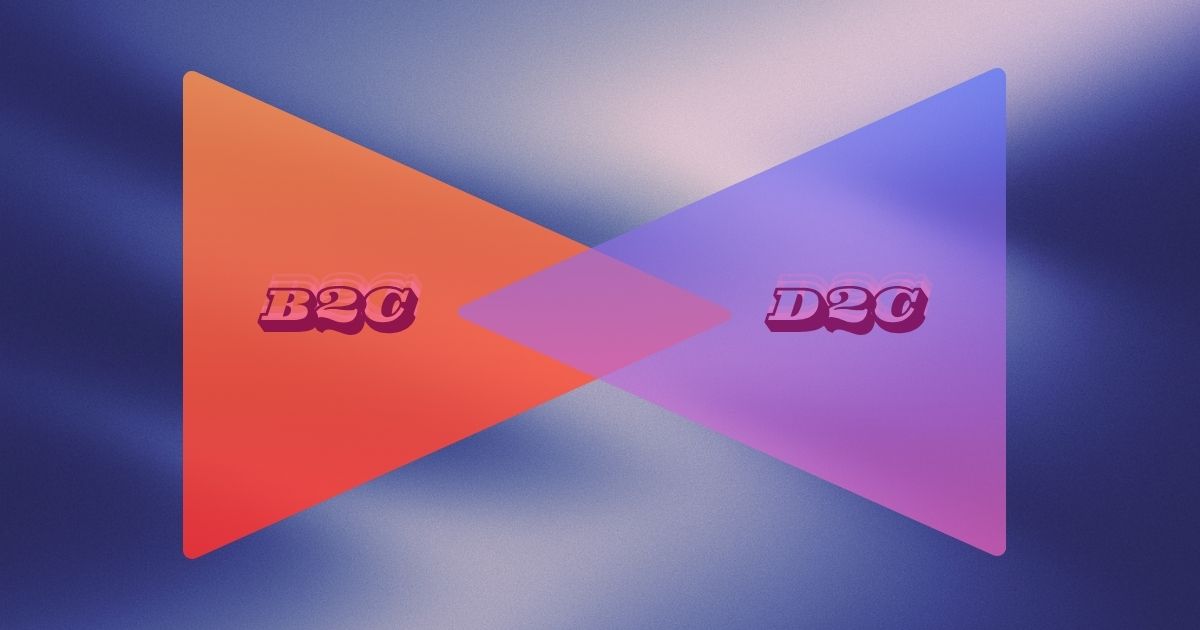
The most interesting brands I track aren’t choosing a side. They’re using B2C for reach and D2C for relationship, and treating the two as complementary rather than competing. A product might live on major marketplaces to capture broad, low-intent demand, while the brand’s own platform exists to capture the highest-value customers, the repeat buyers, the community, the ones worth knowing by name.
This isn’t indecision. It’s sequencing. Early-stage or resource-constrained businesses often need B2C’s built-in reach just to get discovered at all; D2C only becomes efficient once there’s enough brand recognition that customers arrive already looking for you by name, rather than needing to be found. Mature brands then use D2C data to make their B2C presence sharper, better creative, better targeting, better shelf placement; because they finally understand their customer well enough to negotiate from strength rather than hope.
The Real Question to Ask
Rather than asking “should we go D2C,” the more useful question for most leadership teams is: what part of the customer relationship can we not afford to outsource any longer? For some businesses, that’s data. For others, it’s pricing control. For others still, the honest answer is nothing yet; the retailer relationship is still doing more for the brand than the brand could do alone.
Strategy, in the end, isn’t about picking the model with the better reputation. It’s about being precise about what you’re optimising for, and being equally clear-eyed about what you’re giving up to get it.
Key Takeaways
- B2C and D2C aren’t a hierarchy — they’re two different trade-offs between reach and control, not a “modern vs. outdated” choice.
- B2C borrows a retailer’s distribution, trust, and logistics, but sacrifices margin, pricing control, and direct customer data.
- D2C means owning the full customer relationship and the data that comes with it, but also owning every cost the retailer used to absorb.
- D2C isn’t just e-commerce — a brand’s own showroom network is just as much D2C as a website, since both cut out third-party intermediaries entirely.
- In markets where digital trust and logistics are still maturing, B2C retail and dealer networks often remain the more credible route to volume.
- The strongest brands increasingly run hybrid models: B2C for reach and discovery, D2C (online or showroom) for relationship, data, and margin.
- The real strategic question isn’t “should we go D2C” — it’s “which part of the customer relationship can we no longer afford to outsource?”

Written by
Shahriar Zaman
Brand strategist and fractional CMO with 15 years of building category brands. Founder of Ads of Bangladesh and co-founder of Brand Practitioners Bangladesh. Based in Auckland.